
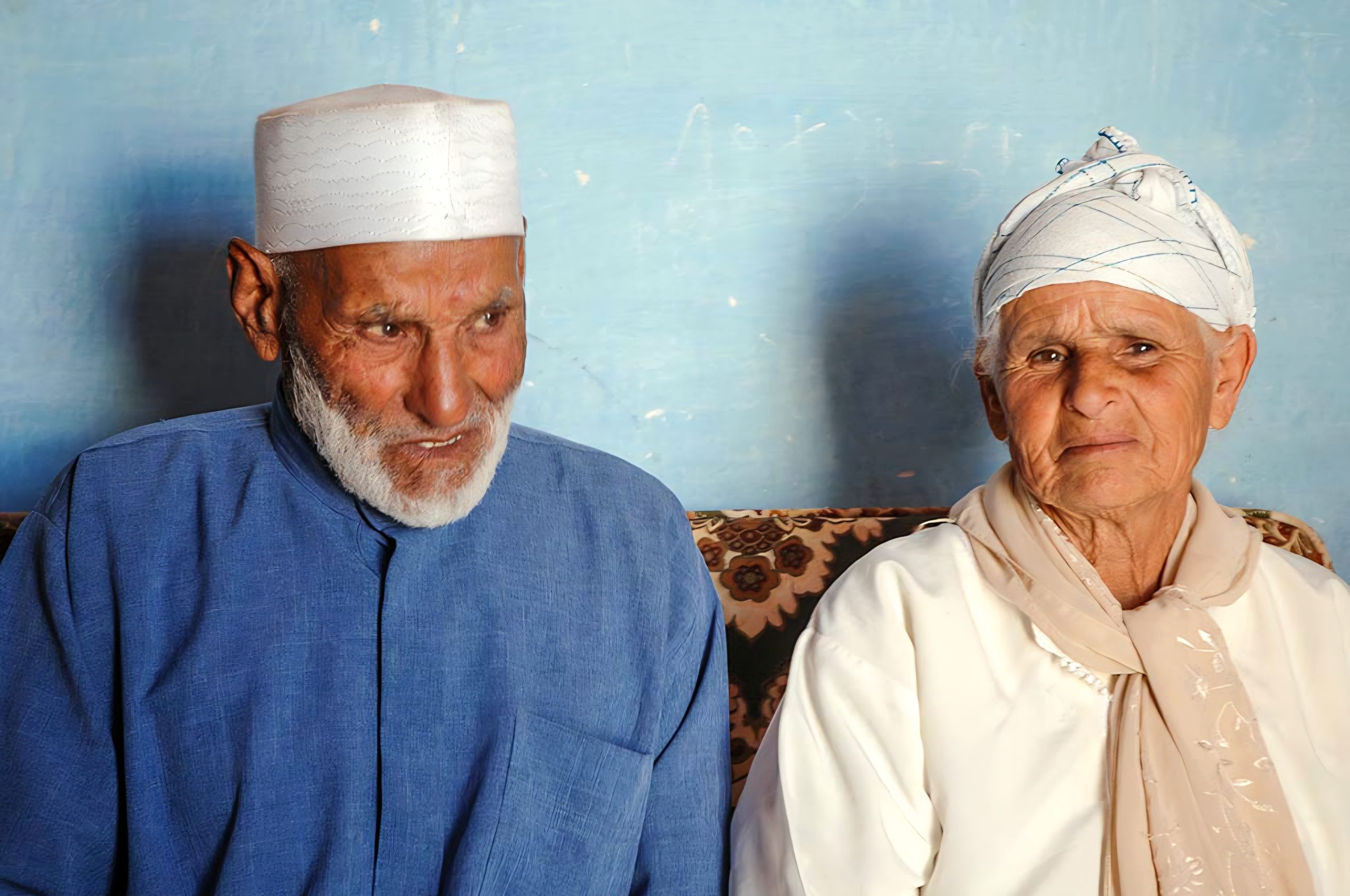
Moroccan People
Getting to know Moroccan people helps you understand Morocco beyond its historic cities and popular tourist attractions. Everyday experiences, such as sharing mint tea, visiting a local market, or speaking with an artisan, can offer insight into Moroccan life. The country’s identity reflects Amazigh and Arab heritage, African connections, Jewish history, and Mediterranean influences. This guide explores Moroccan culture, traditions, family life, languages, and customs to help you better understand the people you may meet during your trip.
Who Are the Moroccan People?
Morocco has a diverse population with different regional backgrounds, languages, and cultural traditions. Many Moroccans have Amazigh, Arab, or mixed ancestry, while the country also has long-standing African, Jewish, and Mediterranean connections.
Amazigh communities have lived across North Africa for thousands of years. Arab influence grew after the arrival of Islam in the seventh century, shaping the country’s language, religion, architecture, and social traditions. Over time, these influences developed alongside local customs and connections with other parts of Africa and Europe.
There is no single way to describe all Moroccan people. Life in a large city can differ from life in a mountain village, coastal town, or rural community. Regional identity, family background, education, and personal beliefs all influence how people live.
Amazigh Heritage and Moroccan Identity
The Amazigh people, also known as Berbers, are an important part of Morocco history and present-day society. Amazigh communities have their own languages, cultural practices, music, crafts, and regional traditions. Amazigh heritage remains visible throughout the country. In the Atlas Mountains, visitors may encounter villages where traditional architecture and local customs reflect generations of community life. In the south, Amazigh influences appear in music, weaving, jewelry, and the design of homes and kasbahs.
Tamazight, Tarifit, and Tashelhit are among the Amazigh language varieties spoken in Morocco. Their use varies by region and community. Amazigh languages also have official status alongside Arabic, reflecting their importance to the country’s identity. Learning about Amazigh heritage gives travelers a broader understanding of Morocco. It also helps explain why traditions, food, architecture, and language can differ considerably between regions.
Arab, African, and Jewish Influences in Morocco
Moroccan culture has developed through centuries of contact with neighboring regions and distant trading partners. Arab and Islamic traditions influence religious life, holidays, architecture, and many everyday customs. African connections have also shaped music, trade, food, and cultural exchange, particularly across southern Morocco and the Sahara.
Morocco also has a long Jewish history. Jewish communities contributed to commerce, crafts, music, and urban life over many generations. Historic Jewish quarters, known as mellahs, remain part of the heritage of cities such as Fes and Marrakech.
These influences do not exist separately. They have interacted over time, creating traditions that vary from one place to another. Exploring historic medinas, traditional markets, and local museums can help visitors understand these connections more clearly.
Moroccan People, Family Life, and Hospitality
Family plays an important role in Moroccan society. Many families maintain close relationships across generations and gather for meals, celebrations, and religious occasions. The importance of family varies between households, but relatives often provide practical and emotional support.
Hospitality is another familiar part of Moroccan culture. Guests may be welcomed with mint tea, pastries, or a meal, depending on the setting and the relationship between the host and visitor. Sharing food and making guests comfortable are common ways to show kindness.
Mint tea has a special place in social life. Preparing and serving it can be a sign of welcome, whether in a family home, a shop, or a traditional guesthouse. If someone offers you tea during your travels, accepting it when convenient can be a friendly way to connect.
Food also brings people together. Couscous, tagine, harira, fresh bread, and regional specialties appear in different settings throughout the country. Friday couscous is a familiar tradition in many households, although practices differ by family and region.
Languages Spoken by Moroccan People
Morocco is multilingual, and the language you hear often depends on where you travel. Moroccan Arabic, known as Darija, is widely used in everyday conversation. Modern Standard Arabic appears in formal settings, education, and media. Amazigh languages are spoken in many communities, particularly in the Rif, Atlas Mountains, and other areas with strong Amazigh heritage. French is also widely used in business, education, and some public settings. Spanish is more common in parts of northern Morocco, while English is increasingly familiar in tourist areas.
You do not need to speak Arabic or French to enjoy a trip to Morocco. However, learning a few simple expressions can make everyday interactions more welcoming.
- Salam: Hello or peace.
- Shukran: Thank you.
- Afak: Please.
- La, shukran: No, thank you.
Pronunciation and usage can vary, especially in Darija. A friendly greeting and a sincere effort to communicate are often appreciated.
Moroccan Traditions and Customs to Know
Understanding local customs can help you feel more comfortable when meeting Moroccan people. Morocco is culturally diverse, but a few general practices are useful for visitors.
Dress respectfully. Modest clothing is a practical choice when visiting traditional neighborhoods, rural communities, and religious sites. Lightweight clothes that cover the shoulders and knees work well in many settings.
Greet people politely. A simple greeting before asking a question is common courtesy. In more formal situations, people may ask about your well-being before moving on to the main conversation.
Respect religious practices. Islam influences many public holidays and daily routines. During Ramadan, many Muslims fast from dawn until sunset, and business hours may change. Read our guide to Ramadan in Morocco before planning a visit during the holy month.
Ask before taking photographs. Some people are happy to appear in photos, while others prefer not to. Always ask permission before photographing someone, especially in markets or residential areas.
Use your right hand when appropriate. In traditional settings, people commonly use the right hand to offer or receive food and certain items. Following your host’s lead is a simple way to show consideration.
Customs are not identical across Morocco, so avoid assuming that every person follows the same practices. Observe the situation, be polite, and ask when you are unsure.
Everyday Life in Morocco Beyond the Tourist Attractions
Daily life in Morocco looks different across cities, small towns, and rural areas. In cities such as Casablanca, Rabat, and Marrakech, people balance work, education, family responsibilities, and social activities. Cafés, markets, bakeries, and neighborhood shops are part of everyday routines. Traditional souks remain important in many historic medinas. Some specialize in spices, textiles, leather goods, pottery, or metalwork. These markets are places to shop, but they also reflect long-standing craft traditions and local business networks.
Rural life follows different rhythms. In some mountain and agricultural communities, work may revolve around farming, livestock, seasonal changes, and local markets. Traditions and lifestyles vary according to geography, employment, and access to services. Modern Morocco also includes a growing range of lifestyles. Younger generations use social media, attend universities, pursue careers in different industries, and travel between regions. Traditional customs and modern influences often exist side by side.
Spending time outside major tourist areas can offer a broader perspective. A local market, a guided walk through an old medina, or a visit to a mountain community can help you see more of the country’s everyday life.
How to Experience Moroccan Culture as a Visitor
Meeting local people respectfully can add context to the places you visit. Rather than focusing only on famous monuments, leave time to notice daily routines, regional food, traditional crafts, and local architecture. A guided walk through the medinas of Fes or Marrakech can introduce you to historic neighborhoods and the work of local artisans. In the Atlas Mountains, a visit to a village can offer insight into regional traditions and rural life. In the south, local music, architecture, and Amazigh heritage provide another perspective on Moroccan culture.
Food is also a practical way to explore regional differences. Try local dishes, visit markets, and ask about ingredients or preparation methods when the opportunity arises. Be considerate when entering private homes or religious spaces, and follow any guidance from your host or guide. At Journeys To Morocco, travelers can explore private tours and customized itineraries across Morocco. A trip can combine historic cities, mountain regions, and the Sahara Desert, with time to learn about local culture along the way.
Conclusion About Moroccan People
Moroccan people come from varied cultural and regional backgrounds, and that diversity is an important part of the country’s identity. Amazigh heritage, Arab and Islamic traditions, African connections, Jewish history, and modern influences all contribute to Moroccan society.
For visitors, learning a little about local customs, languages, and daily routines can make travel more meaningful. Approach people with respect, stay open to regional differences, and take time to understand the places you visit. These small steps can help you gain a more thoughtful view of life in Morocco.
