
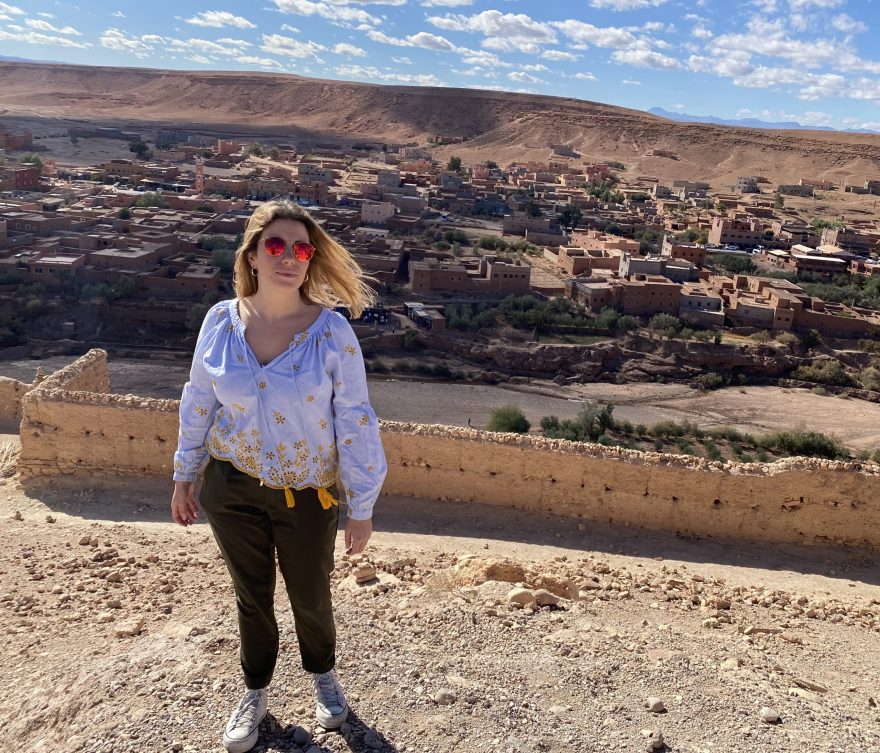
What to Wear in Morocco
Knowing what to wear in Morocco will help you stay comfortable and respect local customs during your trip. The right clothes depend on the season, the places you visit, and the activities you plan. In most cases, lightweight clothing, comfortable shoes, and a few warm layers are all you need.
Morocco has different climates and clothing styles. You might spend one day exploring the streets of Marrakech and another visiting the Atlas Mountains or the Sahara Desert. This guide explains what to wear in Morocco for women and men, how to dress in different regions, and what to pack for each season.
What Is the Dress Code in Morocco?
Morocco does not have one strict dress code for tourists. Clothing styles vary between large cities, coastal towns, and rural villages. You will see both traditional outfits and modern Western clothing. For everyday sightseeing, modest clothing is a practical choice. Tops that cover your shoulders and bottoms that reach your knees work well in traditional neighborhoods and local markets. You can still wear casual clothes without buying a special wardrobe for your trip.
Women do not generally need to cover their hair in public. However, individual religious sites may have specific entry requirements, so check before visiting. The easiest approach is to choose comfortable clothes that suit your activities and show respect for local customs. For more information about local customs and travel considerations, read the UK Government’s travel advice for Morocco.
What to Wear in Morocco for Women
Women can wear many of the same clothes they wear at home. Loose, breathable outfits are especially useful during warm weather and long days of sightseeing.
Good options include:
- Linen or cotton trousers
- Long skirts and casual dresses
- Loose T-shirts and blouses
- Lightweight shirts with sleeves
- Cardigans or light jackets
- Comfortable walking shoes or sandals
- A scarf for extra coverage or sun protection
You do not need to avoid every sleeveless top or pair of shorts. Tourist areas often have a relaxed atmosphere, especially around beaches and hotels. However, longer shorts and tops that cover your shoulders are useful when exploring traditional neighborhoods. A lightweight scarf is worth packing. You can use it to cover your shoulders, protect yourself from the sun, or shield your face from wind and dust during a desert trip.
What to Wear in Morocco for Men
Men can keep their packing simple. T-shirts, casual shirts, lightweight trousers, and comfortable shoes are suitable for most activities.
Consider bringing:
- Cotton or linen T-shirts
- Lightweight trousers or chinos
- Knee-length shorts
- Long-sleeved shirts for sun protection
- A sweater or jacket for cool evenings
- Comfortable sneakers
- Sandals for hotels and beaches
Shorts are common in tourist areas, resorts, and coastal towns. Long trousers are a good choice for traditional neighborhoods, village visits, and religious sites. You do not need formal clothing for most sightseeing. A clean shirt and trousers will work for most restaurants and casual evenings.
What to Wear in Marrakech
Marrakech can get very hot during summer, so choose lightweight clothes that let your skin breathe. Cotton and linen are good options for walking through the medina, visiting markets, and exploring historic sites. Loose trousers, T-shirts, summer dresses, and comfortable walking shoes are practical choices. Bring a hat, sunglasses, and sunscreen for sunny days.
When visiting traditional neighborhoods, consider covering your shoulders and knees. You do not need to dress formally, but modest outfits are often the easiest choice for a full day of sightseeing. Comfortable footwear is particularly important in Marrakech. You may spend several hours walking through narrow streets and uneven paths, so avoid shoes that cause blisters.
If you want to explore Marrakech and other parts of the country, take a look at our private Morocco tours for ideas on planning your trip.
What to Wear in the Sahara Desert
A Sahara Desert trip requires clothes for both warm days and cooler nights. Temperatures can change significantly after sunset, especially during winter. During the day, wear loose trousers, a breathable shirt, sunglasses, and a hat. Long sleeves can help protect your skin from the sun. A scarf is also useful when the wind blows sand across the dunes.
For a desert excursion, pack:
- Lightweight trousers and shirts
- A hat or cap
- Sunglasses and sunscreen
- A scarf or bandana
- Comfortable closed-toe shoes
- A warm sweater or jacket for the evening
- Extra layers for winter nights
Trousers are usually more comfortable than shorts for camel rides because they help prevent rubbing. Closed-toe shoes also make walking across uneven ground easier. If you plan to stay overnight in a desert camp, do not assume the nights will be warm. Bring a fleece, long sleepwear, and warm socks during the colder months.
You can explore our Morocco tours and desert trips to find ideas for combining city visits with a Sahara experience.
What to Wear in the Atlas Mountains
The weather in the Atlas Mountains can be cooler than in Marrakech, particularly at higher elevations. Conditions can also change during the day. If you plan to hike or visit mountain villages, pack comfortable trousers, a breathable shirt, a fleece, and a light waterproof jacket. Walking shoes or hiking shoes with good grip are helpful on rocky paths.
For village visits, clothes that cover your shoulders and knees are a considerate choice. These outfits also work well for long walks and outdoor activities. Even if you visit Morocco during summer, bring an extra layer when your itinerary includes the mountains. Temperatures can drop in the evening, and higher areas may feel much colder than the cities.
What to Wear at Beaches in Morocco
Beach towns such as Essaouira and Agadir offer a relaxed atmosphere, especially around hotels and swimming areas. You can wear swimsuits at the beach and pool. Pack shorts, T-shirts, sandals, and lightweight summer clothes for the rest of your stay. When leaving the beach, put on a shirt, dress, or other casual outfit before walking through town or visiting local markets. A light jacket is also useful in coastal areas, where wind can make the weather feel cooler.
What to Wear in Morocco by Season
The best clothes for your trip depend on when you visit. Morocco can be hot in summer and cold in winter, with different conditions across the cities, mountains, and desert.
What to Wear in Morocco in Spring
Spring usually brings comfortable conditions for sightseeing, although temperatures vary by region. Pack lightweight trousers, cotton shirts, comfortable walking shoes, and a light jacket. If you plan to visit the Sahara or Atlas Mountains, bring warmer clothes for the evenings.
What to Wear in Morocco in Summer
Summer can be very hot in inland cities and desert areas. Choose loose clothing made from breathable fabrics such as cotton and linen. Bring T-shirts, lightweight trousers, a sun hat, sunglasses, sunscreen, and comfortable shoes. A light layer can also be useful in air-conditioned spaces or on breezy evenings. Plan outdoor activities for the morning or late afternoon when the weather is very hot. If your trip includes the desert, prepare for strong sun and carry enough water.
What to Wear in Morocco in Fall
Fall is a good time to explore cities, mountains, and desert destinations. September can still be hot, while October and November often bring cooler weather. Pack a mix of short-sleeved and long-sleeved shirts, lightweight trousers, and comfortable walking shoes. A sweater or jacket will help during cool evenings, especially in the mountains and desert.
What to Wear in Morocco in Winter
Winter days can be mild in some cities, but nights often feel cold. Mountain areas may experience snow, and desert temperatures can drop considerably after sunset. Bring long trousers, sweaters, a warm jacket, and closed-toe shoes. If you plan to sleep in a desert camp, pack warm sleepwear, thick socks, and extra layers. Check the forecast for each destination before leaving. The weather in Marrakech may be very different from conditions in the Atlas Mountains or Sahara Desert.
What Shoes to Wear in Morocco
Comfortable shoes can make a big difference during your trip. Many historic neighborhoods have uneven streets, and sightseeing often involves more walking than travelers expect. For most trips, pack supportive sneakers or walking shoes. Sandals are useful for beaches, hotels, and casual outings. If you plan to hike in the mountains, bring shoes with good grip.
For desert trips, closed-toe shoes are helpful when walking on uneven ground or cool sand. You can also bring sandals for relaxing at your camp or hotel. Avoid relying on flip-flops for full days of sightseeing. They are better suited to pools, beaches, and short walks.
What to Pack for Morocco: Essential Clothing
You do not need to bring a different outfit for every destination. Choose versatile clothes that you can combine and layer throughout your trip.
Here is a simple Morocco packing list:
- Lightweight shirts and trousers
- A few modest outfits for traditional areas
- Comfortable walking shoes
- Sandals
- A light scarf
- Sunglasses and a sun hat
- Sunscreen
- A sweater or jacket
- Warm layers for winter or desert camping
- Swimwear for beaches and pools
- A small daypack for water and daily essentials
Adjust your packing list to your travel dates and activities. A summer city break requires less warm clothing than a winter trip that includes mountain villages and an overnight stay in the Sahara.
What Clothes Should You Avoid Wearing in Morocco?
You do not need to follow a long list of clothing restrictions. However, a few simple choices can make your trip more comfortable. Very short shorts and revealing tops may attract more attention in traditional neighborhoods than they would at a beach resort. Carry a light shirt or scarf if you want extra coverage during the day.
Also, avoid packing only summer clothes if you plan to visit the desert or mountains. Even after a warm afternoon, the temperature can fall quickly at night. Choose clothes that suit your activities. Comfortable shoes, breathable fabrics, and layers will usually serve you better than outfits chosen only for appearance.
Can You Wear Shorts in Morocco?
Yes, tourists can wear shorts in Morocco. They are common in beach towns, hotels, resorts, and many modern urban areas. However, longer shorts or lightweight trousers may feel more suitable in traditional neighborhoods and rural villages. Both men and women can wear shorts, but local expectations vary by setting. If you are unsure what to wear, choose shorts that reach the knees or wear lightweight trousers. You can dress more casually when you visit the beach or relax at your hotel.
Do Women Need to Cover Their Hair in Morocco?
No. Women visiting Morocco do not generally need to cover their hair in everyday public settings. A scarf is still useful for sun protection, windy conditions, or extra coverage when needed. You can carry one in your daypack without wearing it all the time. Religious sites may have their own entry rules. Many mosques do not admit non-Muslim visitors, so check the requirements before planning a visit.
Planning Your Morocco Trip
Knowing where you plan to go will help you decide what to pack. A few days in Marrakech require different clothing from a longer trip that includes the Atlas Mountains, the Sahara Desert, and the Atlantic coast.
At Journeys To Morocco, we help travelers plan private tours and custom itineraries based on their interests and travel dates. Our tours can include private transportation, an English-speaking driver-guide, local guides, accommodation arrangements, and desert experiences. We also help travelers prepare for their route and understand what to expect along the way.
If you are still planning your itinerary, visit our Morocco tours page to explore available trips. You can also browse our Morocco travel blog for more advice on destinations, seasons, and trip preparation.
Final Tips for Choosing What to Wear in Morocco
The best clothes to wear in Morocco are comfortable, breathable, and suitable for your itinerary. Lightweight trousers, casual shirts, comfortable walking shoes, and sun protection will cover most everyday needs. Choose modest outfits when visiting traditional neighborhoods, bring warm layers for the mountains and desert nights, and save swimwear for beaches and pools. With a little planning, you can pack light and feel prepared for the different places you visit.
