
Jewish Sites in Morocco
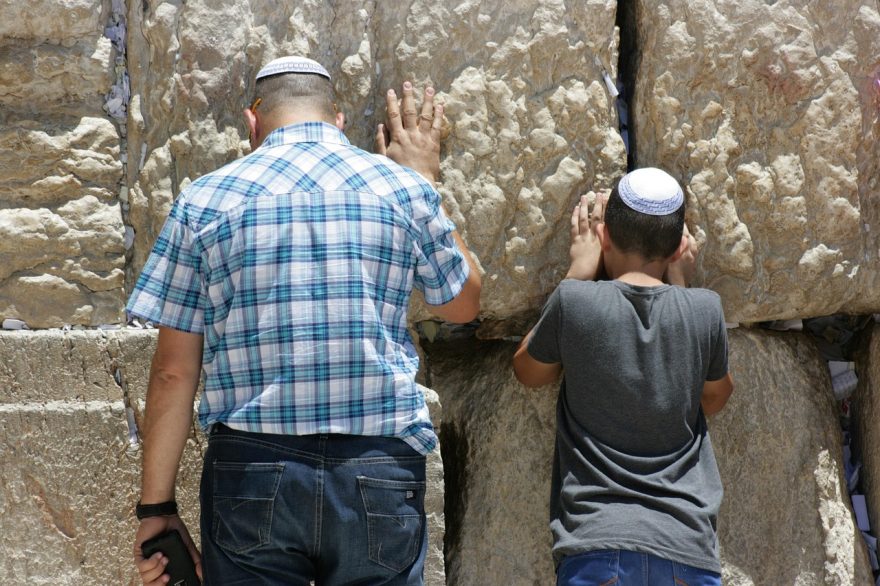
Jewish sites in Morocco offer a unique way to explore the country’s history, culture, and traditions. From historic synagogues and ancient Jewish cemeteries to old mellahs and museums, these places tell the story of Jewish life in Morocco over many centuries. Travelers can discover this heritage in cities such as Fes, Marrakech, Casablanca, Essaouira, Tangier, and Tetouan. Whether you are interested in Sephardic Jewish history, family roots, or cultural travel, visiting these historic places can add a meaningful part to your Morocco trip.
Jewish History and Heritage in Morocco
Morocco has a long Jewish history that developed over many centuries. Jewish communities lived in cities, mountain villages, and trading towns throughout the country. They contributed to local commerce, crafts, music, language, and cultural life.
Many Moroccan cities had a mellah, a historic Jewish quarter. These neighborhoods often contained homes, synagogues, community buildings, and shops. Today, some still preserve traces of the communities that once lived there.
Morocco Jewish heritage is especially visible in its historic synagogues, cemeteries, and cultural museums. Visiting these places helps travelers understand the close connections between Jewish and Moroccan history.
Important Jewish Sites to Visit in Morocco
1 – Ibn Danan Synagogue in Fes
The Ibn Danan Synagogue is one of the best-known Jewish heritage sites in Fes. Located in the city’s historic Jewish quarter, it offers a glimpse into the religious and community life of Moroccan Jews. The synagogue is valued for its traditional design and historical importance. It is a worthwhile stop for anyone exploring Jewish history in Morocco, especially travelers who want to learn about the former Jewish community of Fes.
2 – Slat Al Fassiyine Synagogue in Fes
Slat Al Fassiyine is another important synagogue in Fes. It reflects the long history of Jewish religious life in the city and the traditions maintained by its community. Together, the synagogues and historic Jewish quarter make Fes an important destination for visitors interested in Jewish heritage sites in Morocco. Check access arrangements before visiting, as opening times and entry conditions can change.
3 – Slat Al Azama Synagogue in Marrakech
Marrakech is famous for its palaces, gardens, and traditional markets, but it also has a rich Jewish history. Slat Al Azama Synagogue, located in the Mellah, is one of the city’s best-known Jewish landmarks. The synagogue provides insight into the religious traditions of the Jewish community that lived in Marrakech. You can combine a visit with a walk through the old Jewish quarter and nearby historic streets.
4 – Miaara Jewish Cemetery in Marrakech
Miaara Jewish Cemetery is an important place for understanding the history of Marrakech Jewish community. Its historic graves and quiet surroundings offer a different perspective on the city’s past. For travelers researching family history or Sephardic Jewish heritage, the cemetery may be especially meaningful. Visitors should dress respectfully and follow any local guidance when entering the site.
5 – Museum of Moroccan Judaism in Casablanca
Casablanca is home to the Museum of Moroccan Judaism, a major cultural destination for anyone interested in Jewish life in Morocco. Its collections help explain the history, religious practices, and cultural traditions of Moroccan Jewish communities. The museum is a useful starting point for travelers who want historical context before visiting synagogues and Jewish quarters in other cities. Allow time to explore the exhibits, and confirm current opening hours before your visit.
6 – Bayt Dakira in Essaouira
Bayt Dakira, meaning House of Memory, celebrates the shared history of Jewish and Muslim communities in Essaouira. The cultural space highlights the city’s Jewish heritage and its place in Morocco wider history. Essaouira was once an important Atlantic trading port with a diverse population. Today, visitors can explore its historic medina, discover the former Jewish quarter, and learn about the communities that shaped the city.
The city’s multicultural history is also recognized by UNESCO. Read more on the UNESCO World Heritage Centre’s page about the Medina of Essaouira.
7 – Rabbi Haim Pinto Synagogue and Jewish Cemetery in Essaouira
The Rabbi Haim Pinto Synagogue is one of Essaouira best-known Jewish landmarks. It is associated with Rabbi Haim Pinto, an important religious figure whose legacy remains significant for many Jewish visitors. The city’s historic Jewish cemetery is another place to explore. Together, these sites offer a deeper understanding of Jewish life in Essaouira and the role the community played in the city’s history. Access to religious sites can vary, so it is best to check locally before planning your visit.
8 – Moshe Nahon Synagogue in Tangier
Tangier has a long history of cultural exchange because of its position between the Atlantic Ocean and the Mediterranean Sea. Its Jewish heritage forms an important part of that history. The Moshe Nahon Synagogue is a notable Jewish landmark in the city. Visitors interested in Jewish history in northern Morocco can include it alongside Tangier’s historic neighborhoods and other cultural attractions.
9 – The Jewish Mellah of Tetouan
Tetouan historic medina includes a former Jewish quarter known as the Mellah. Its streets and traditional buildings reflect the city’s diverse past and the communities that helped shape its identity. A walk through the area can help visitors understand how Jewish families lived and worked within the wider city. Tetouan is also a good destination for travelers interested in northern Moroccan architecture and history.
10 – Jewish Heritage in Rabat and Meknes
Rabat and Meknes also preserve important traces of Jewish life. Depending on your interests and available access, you may be able to include historic synagogues, Jewish cemeteries, or former Jewish neighborhoods in your visit. These cities work well as part of a wider cultural itinerary through Morocco imperial cities. Research individual sites in advance, since preservation work and access arrangements may affect what visitors can see.
Exploring Morocco Historic Jewish Quarters
The old Jewish quarters, known as mellahs, are among the most interesting places to explore Jewish heritage in Morocco. You can find historic mellahs in cities such as Marrakech, Fes, Essaouira, and Tetouan.
Each quarter has its own character. Some retain traditional streets and old buildings, while others have changed considerably over time. Even where little remains of the original community, the neighborhood can still provide valuable historical context. Take time to notice the architecture, local markets, and surrounding streets. A knowledgeable local guide can also help explain the area’s history and the role Jewish communities played in the city.
Best Time to Visit Jewish Heritage Sites in Morocco
Spring and fall are generally comfortable seasons for exploring Morocco historic cities. The weather is often suitable for walking through medinas, visiting cemeteries, and exploring outdoor heritage sites. Summer can be hot in inland cities such as Marrakech and Fes, while coastal destinations like Essaouira often feel cooler. Winter can also be a good time to visit, although evenings may be cold. Before your trip, check the opening hours of individual synagogues, museums, and cemeteries. Some sites may require advance arrangements, and religious holidays or local events can affect access.
How to Plan a Jewish Heritage Tour in Morocco
A Jewish heritage tour can focus on one city or include several destinations across the country. Fes and Marrakech are strong choices for historic synagogues and mellahs, while Casablanca offers the Museum of Moroccan Judaism. Essaouira and Tangier add important coastal and northern history.
If you have more time, you can combine Jewish heritage sites with Morocco medinas, mountain scenery, traditional villages, and Sahara Desert. The best route depends on your available days, arrival city, and the places you most want to visit.
Journeys To Morocco can help travelers plan a private itinerary with transportation, accommodations, and local guides where included in the chosen tour. A private vehicle also makes it easier to connect cities without relying on fixed group schedules.
Explore our private Morocco tours to see possible routes. If you are starting in Marrakech, consider our day trip from Marrakech to Essaouira. Travelers arriving in Casablanca can also explore our Morocco tours from Casablanca for longer itineraries.
When planning, allow enough time in each city rather than trying to visit every site in a few days. Confirm access to specific heritage locations in advance, especially if your trip has a strong religious or family-history focus.
FAQ’s About Jewish Sites in Morocco
What are the most important Jewish sites in Morocco?
Some of the best-known sites include Ibn Danan Synagogue and Slat Al Fassiyine Synagogue in Fes, Slat Al Azama Synagogue in Marrakech, the Museum of Moroccan Judaism in Casablanca, and Bayt Dakira in Essaouira. Historic Jewish cemeteries and mellahs are also important parts of the country’s heritage.
Can tourists visit synagogues in Morocco?
Some synagogues welcome visitors, but access varies by location. Check opening hours and visitor arrangements before you go, and respect any religious practices or restrictions.
Where can I learn about Jewish history in Morocco?
The Museum of Moroccan Judaism in Casablanca is a useful starting point. Fes, Marrakech, Essaouira, Tangier, and Tetouan also have historic sites that help explain the history of Jewish communities across Morocco.
How many days do I need for a Jewish heritage tour in Morocco?
Three to five days can work for a focused visit to one or two cities. A longer trip is better if you want to explore several regions, including Fes, Marrakech, Casablanca, and Essaouira.
Can I include Jewish heritage sites in a private Morocco tour?
Yes. You can build a private itinerary around the cities and heritage sites that interest you, subject to access and opening hours. It is helpful to share your priorities in advance so travel time and visits can be planned realistically.
Discover Jewish Heritage in Morocco With Journeys To Morocco
Exploring Jewish sites in Morocco offers a deeper understanding of the country’s history and cultural diversity. From historic synagogues and cemeteries to museums and former Jewish quarters, each destination reveals a different part of this heritage.
Journeys To Morocco can help you plan a trip that combines these cultural visits with the cities, landscapes, and experiences you want to discover. Choose an itinerary that suits your interests, travel pace, and time in Morocco.
