
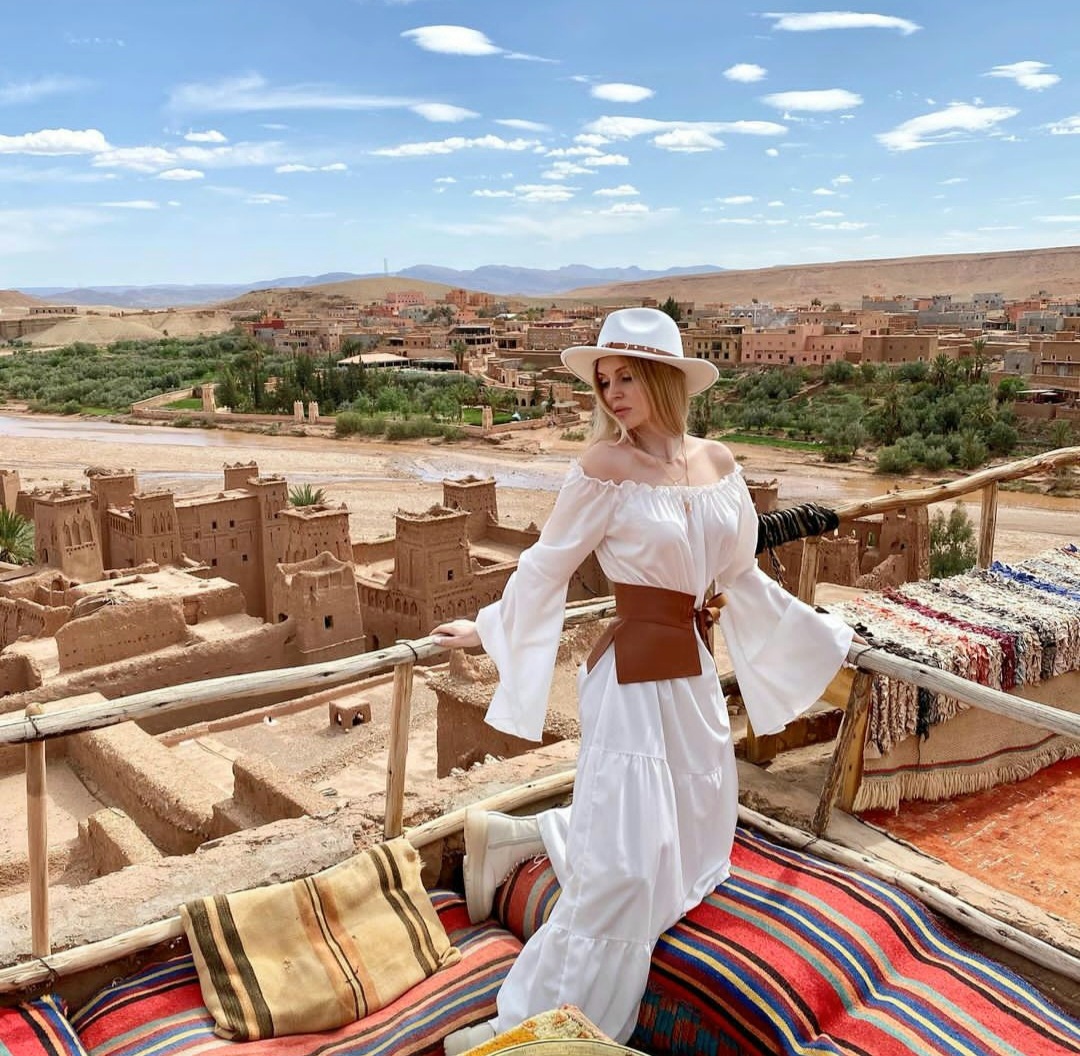
What to Wear in Morocco in November
Knowing what to wear in Morocco in November helps you prepare for changing temperatures and enjoy your trip comfortably. Days are often mild, but mornings and evenings can feel cold. The weather also varies between cities, coastal areas, the Atlas Mountains, and the Sahara Desert. For most trips, pack lightweight tops, long pants, comfortable walking shoes, a sweater, and a warm jacket. If you plan to spend a night in the desert or visit the mountains, bring extra layers. This guide explains what to pack for Morocco in November and how to dress for different destinations.
November Weather in Morocco
November is a pleasant month for exploring Morocco, but temperatures vary by region. Marrakech often reaches 72-75°F (22-24°C) during the day, with cooler evenings around 50-54°F (10-12°C). Coastal areas such as Casablanca and Essaouira usually have daytime temperatures of 68-72°F (20-22°C), while northern cities may experience rain.
The Atlas Mountains can be much colder, especially at higher elevations, where nighttime temperatures may drop below freezing. In the Sahara Desert, daytime temperatures can reach 73-77°F (23-25°C), but nights can fall to around 43-52°F (6-11°C). Packing layers helps you stay comfortable throughout your trip.
Check the forecast for each destination before leaving home. For more information about seasonal conditions, read our guide to the best time to visit Morocco.
What to Pack for Morocco in November
When planning what to wear in Morocco in November, choose clothes that work for mild afternoons, chilly evenings, and different activities. You do not need a separate outfit for every day. A few versatile pieces can cover most situations.
Consider packing these essentials:
- T-shirts and long-sleeved shirts: Wear them alone during mild afternoons or under warmer layers.
- Long pants or jeans: These are practical for city walks, markets, and visits to traditional villages.
- A sweater or fleece: Useful for cool mornings and evenings.
- A warm jacket: Important for colder nights, especially in the desert and mountains.
- A lightweight rain jacket: Helpful if rain is forecast.
- Comfortable walking shoes: Choose supportive shoes for uneven streets and long sightseeing days.
- Socks and sleepwear: Bring enough for your trip, including warmer sleepwear for cold nights.
- A scarf: Useful for extra warmth and protection from wind or dust.
- Sunglasses and sunscreen: The sun can still feel strong during the day.
Choose clothes that you can combine easily. For example, wear a long-sleeved shirt during the day and add a sweater when temperatures drop.
What to Wear in Marrakech in November
Marrakech often has mild afternoons in November, making it a good time to explore the old medina, browse local markets, and visit historic sites. However, mornings and evenings can be chilly, so bring an extra layer. For daytime sightseeing, wear a T-shirt or long-sleeved top with jeans, trousers, or a comfortable long skirt. A light sweater or jacket is useful when temperatures fall. If you plan to spend the evening outdoors, you may need a warmer layer.
Comfortable walking shoes are especially important in Marrakech. Many streets in the medina are narrow and uneven, and you may spend several hours walking. Modest clothing that covers your shoulders and knees is a practical choice when visiting traditional neighborhoods.
If Marrakech is part of a longer trip, explore our private Morocco tours for ideas on combining the city with the Atlas Mountains, traditional villages, and the Sahara Desert.
What to Wear in the Sahara Desert
A Sahara Desert trip requires clothing for both sunny days and cold nights. If your itinerary includes a camel ride or an overnight stay at a desert camp, prepare for temperatures to drop after sunset. During the day, lightweight long pants, a breathable shirt, sunglasses, and a hat are useful. Comfortable closed-toe shoes or sneakers can help when walking on sandy ground. A scarf is also helpful when the wind blows sand.
Evenings require warmer clothing. Pack a fleece or warm jacket, long pants, extra socks, and comfortable sleepwear. Desert nights can feel much colder than afternoons, so do not rely on the same clothes for both. Before your trip, check what bedding and heating arrangements your desert camp provides. This will help you decide how much extra clothing to bring.
What to Wear in the Atlas Mountains
The Atlas Mountains can be considerably colder than Marrakech, particularly at higher elevations. If you plan to visit mountain villages, enjoy scenic drives, or go hiking, pack a warm jacket, long pants, and several layers. For outdoor activities, sturdy walking shoes with good grip are a sensible choice. A fleece and a waterproof outer layer can also help if the weather changes. Check local conditions before hiking, especially if your route reaches higher elevations.
Northern destinations such as Chefchaouen and Tangier may feel cooler than southern Morocco. Rain is possible in November, so a lightweight rain jacket can be useful. Choose clothes that dry reasonably quickly if your itinerary includes several stops. If your trip covers cities, mountains, and the desert, plan your clothes around the coldest places you expect to visit. This will help you stay comfortable without overpacking.
What Women Should Wear in Morocco
Women can wear everyday clothing such as jeans, trousers, long skirts, dresses, and tops. You do not need to buy a special wardrobe for Morocco. However, clothing that covers the shoulders and knees is often a practical choice, particularly in traditional neighborhoods and rural communities. For sightseeing, consider loose trousers with a long-sleeved shirt or a comfortable top. A long skirt or dress can also work well with walking shoes. Bring a cardigan, sweater, or jacket for cooler weather.
A scarf is optional but useful for warmth and extra coverage when needed. Women generally do not need to cover their hair during ordinary sightseeing, although specific religious sites may have their own requirements. For a November visit, focus on comfortable layers rather than packing only light summer clothing. If you plan to stay overnight in the Sahara Desert of Merzouga or visit the Atlas Mountains, include warmer clothes for the evening.
What Men Should Wear in Morocco
Men can wear jeans, chinos, long pants, T-shirts, polo shirts, and long-sleeved shirts. These options work well for sightseeing, restaurant visits, and travel between destinations. A sweater or fleece is useful for cool mornings and evenings. Add a warm jacket if you plan to visit the Sahara Desert or the Atlas Mountains. Comfortable sneakers or walking shoes are suitable for most city activities. Shorts may be comfortable during warmer afternoons, but long pants are a versatile option for traditional neighborhoods, rural villages, and cooler weather. Choose clothing that allows you to walk comfortably and adjust to changing temperatures.
Shoes and Accessories for Your Trip
Comfortable footwear makes a difference when exploring Morocco. Historic medinas often have uneven paving, narrow streets, and busy markets, so supportive shoes are a good choice. Pack walking shoes or sneakers for everyday sightseeing. If your itinerary includes mountain walks, consider sturdier shoes with good grip. Sandals may be useful in warmer weather, but they are not ideal for every activity.
You may also want to bring:
- Sunglasses and sunscreen for sunny days.
- A hat for outdoor sightseeing.
- A scarf for warmth, wind, or dust.
- A reusable water bottle for day trips.
- A small daypack for extra layers and personal items.
- A compact umbrella or rain jacket if rain is forecast.
You do not need every accessory on this list. Choose what suits your itinerary and planned activities.
Morocco November Packing Checklist
Use this checklist when preparing your suitcase. Adjust the quantities according to the length of your trip and the places you plan to visit.
- Lightweight T-shirts and long-sleeved shirts
- Long pants or jeans
- A sweater or fleece
- A warm jacket for cold evenings
- A lightweight rain jacket
- Comfortable walking shoes
- Extra socks and warm sleepwear
- Sunglasses and sunscreen
- A scarf and hat
- Toiletries and personal medications
- A small daypack for excursions
If you plan to spend a night in the Sahara, pack extra warm layers. For mountain visits, bring suitable footwear and check the forecast before leaving. This packing list covers the essentials for what to wear in Morocco in November, whether you plan to explore cities, visit mountain villages, or spend time in the desert.
Practical Clothing Tips for Travelers
A few simple choices can make packing easier and help you stay comfortable throughout your trip.
Dress in layers. Temperatures can change between morning, afternoon, and evening. A shirt, sweater, and jacket give you options without filling your suitcase with bulky clothing.
Choose comfortable clothes. You may spend hours walking through medinas, visiting historic sites, or traveling between cities. Clothes that allow easy movement are usually the best choice.
Respect local customs. Morocco has a range of clothing styles, especially in larger cities. Still, modest outfits are often more suitable for traditional neighborhoods and rural areas. Covering your shoulders and knees is a useful general guideline.
Prepare for each destination. Marrakech, coastal towns, the Atlas Mountains, and the Sahara can have different weather conditions. Plan your clothes around your full itinerary rather than one location.
Check the forecast before leaving. Weather can vary from year to year. A quick check will help you decide whether you need extra warm clothing or rain protection.
Plan Your November Trip With Journeys To Morocco
November offers opportunities to explore Morocco historic cities, mountain villages, and desert regions. A well-planned itinerary helps you prepare for the different temperatures along the way. Journeys To Morocco offers private tours and custom itineraries for travelers who want to explore at their own pace. Depending on your chosen route, you can visit Marrakech, travel through the Atlas Mountains, discover traditional villages, and experience the Sahara Desert. When planning your trip, consider how much time you will spend outdoors and whether you will stay overnight in the desert or mountains. These details will help you decide what to pack and which layers you will need.
Browse our Morocco tours to explore itinerary ideas for your November visit.
